
What We Inherit: The Stories We Carry About Getting Old
by Malik Mitchell, MPH | Founder, Heartwood Home Stewards
Nobody sat me down and taught me what it means to grow old. But, somewhere along the way, I picked up ideas about it anyway. We all do at some point. We absorb it from the way our families talk about our elders, or maybe the fact that they refuse to. We learn from the commercials that show aging as decline, or something we can avoid, or maybe even reverse like the “anti-aging” cosmetic ads implicate. We pick things up from the first time someone we love forgot a name, or gave up a car key, or stopped wanting to leave the house.
Those lessons shape how we think about this natural life process. And most of the time, we never stop to examine them. That is where I think the real work of preparing to age well begins. Not necessarily with a financial plan or a medical checklist, but by asking ourselves, “what have I learned about aging, and where did that come from?”.
The Stories We Carry Without Knowing It
Recently, I asked a small group of people what they’ve learned about aging, and where they learn it from.
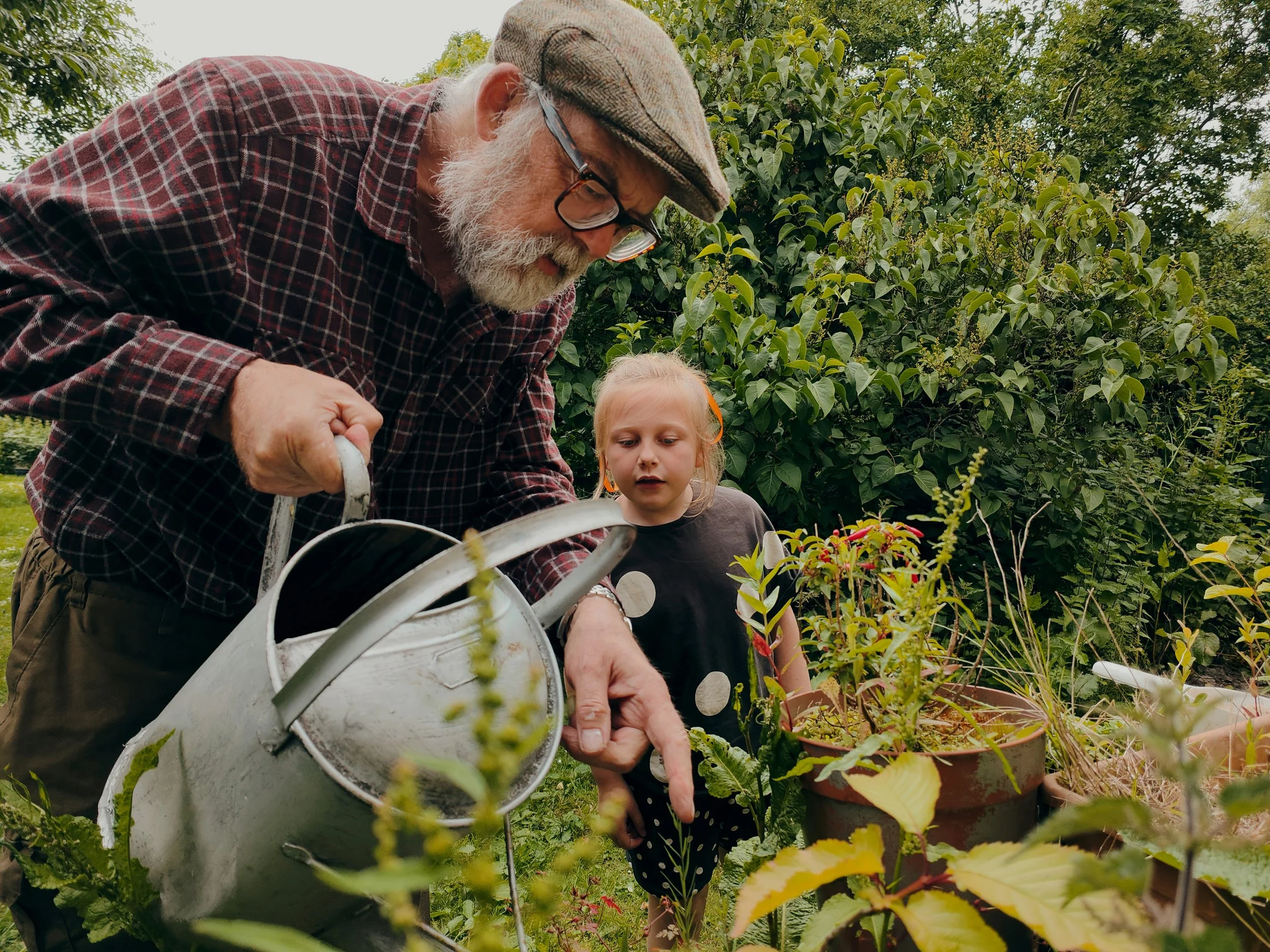
One person said he had never really thought about aging until someone brought it up in conversation. He said in his family and in West African culture more broadly, aging is not something that happens to a person in isolation. Elders live with family. They are cared for until they die. The idea of a nursing home is nearly unthinkable. "The whole aging alone thing is kind of unique," he said, "because that’s not really something culturally that my family does."
A woman in the group, originally from South America, described something similar. She lives in a different state from her mother and the distance weighs on her. In her culture, the youngest daughter carries the primary responsibility for aging parents, and she is the youngest. She said the idea of her mother moving into assisted living feels deeply wrong. What she wants is for her mother to stay home, surrounded by her own community, with someone checking in. "At least she could be at home where she’s comfortable, where her community is," she said. "That makes me feel a little less guilty."
Another spoke about the racial dimension of aging in America. He described watching his partner’s white family age with access to consistent healthcare, preventive care, and resources that his own family never had. His mother is in her sixties and already feels decades older. "Aging comfortably is a privilege," he said plainly. "And if you don’t have that privilege, then it’s just hard."
One woman in the group is what researchers call the “sandwich generation”. She has young adult children and a grandmother in her early 90s, until very recently, was still driving herself around. She talked about her grandmother being hospitalized and becoming disoriented, surrounded by strangers, and outside of her regular routines. Back home, with family around her, she was sharp and oriented. The lesson she took from that was that the system doesn’t always recognize a person’s strengths, sometimes it only sees the age.
When Society Becomes the Teacher
What struck me most about this conversation was how much of what we believe about aging was handed down, or absorbed through exposure to a system that treats a certain age as a threshold, after which a person is expected to need help, slow down, or move somewhere more manageable.
One person in the group pointed out that her mother is far more active and independent when she travels back to her home country, walking miles over cobblestones without complaint. Back in the United States, she barely wants to walk around the block. The difference is the social setting. In one place, she is seen as capable. In the other, her age announces itself before she opens her mouth, and she blends into that narrative, through no fault of her own.
That observation helps illustrate how the stories we carry about aging are both cultural and structural. They come from healthcare systems, from media, from the architecture of neighborhoods that were not built with older adults in mind, and from families who love each other but were never given the language or permission to talk honestly about what getting old actually involves.
Starting the Conversation
This past April, I attended On Aging 2026, a conference hosted by the American Society on Aging (ASA). The central theme was belonging. The sessions explored questions like, “what does it mean to belong somewhere as you grow older?” and “how does one still feel rooted in a place and a community?” Those questions stayed with me, because belonging is something that has to be built, tended to, and protected.
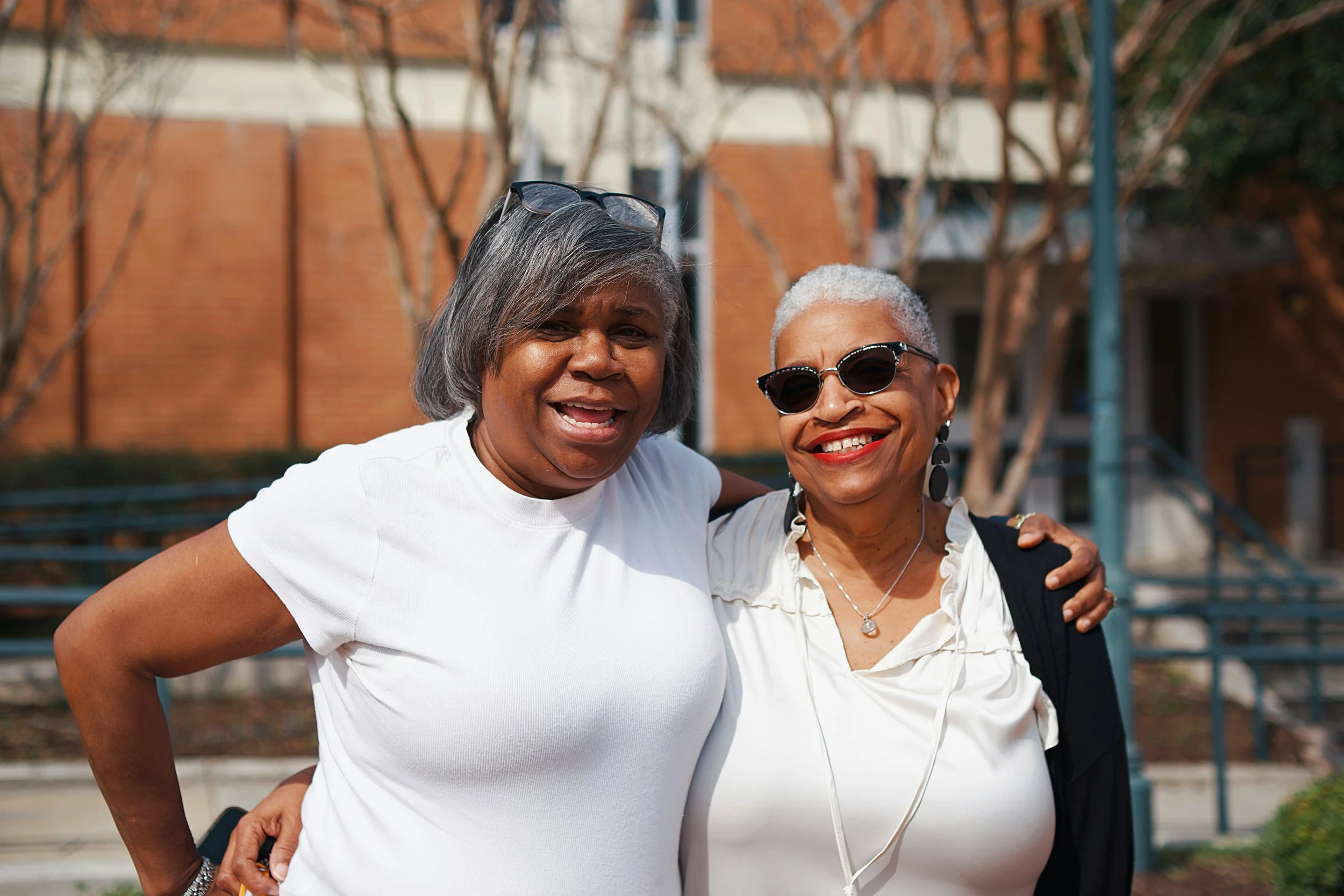
Preparing to age well is not only about logistics (though those do matter a great deal). It is also about doing the harder, quieter work of understanding what stories you have inherited, which ones serve you, and which ones you might want to set down. It's about deciding, before a crisis forces the conversation, what aging on your own terms actually looks like.
The people in that room with me had each grown up with a completely different picture of what aging is and what it demands. And yet each of them was moved by the same things: the desire to stay connected, to remain in familiar spaces, to be seen as a whole person by the systems meant to support them. That is something worth building toward.
Now, We Want to Hear From You
This is the beginning of a larger conversation. I am collecting stories because I believe that understanding what people have learned about aging, across cultures, generations, and lived experiences, is essential to building services and systems that actually meet people where they are.
I am asking one question of you as a reader of this blog:
What have you learned about aging, and where (or who) did you learn it from?
There are no right answers! Your story adds to a picture we all need to see more clearly.
About the Author

Malik Mitchell
Malik’s superpower is his curiosity, which lends itself well to the field of research. He is skilled at bringing together interdisciplinary teams to work on some of society’s most pressing issues. Malik is always searching for a way to include the often overlooked to bring rich insights to the project at hand. As much as he loves digging into a book or article, Malik really shines when he is on site engaging with community members by conducting interviews, facilitating focus groups and leading workshops. He brings almost a decade of experience researching and advocating for systemic change in gender and racial equity, health equity, and public policy.