
By Shannon Steven, founder of Wonder Wander.
In art, there is a technique called anamorphosis.
If you look at the piece from one angle, it looks like a chaotic, broken mess. You assume it’s just an abstract work. But if you take a few steps and look from a specific "sweet spot," the perspective shifts, and a completely different explanation clicks into place. Artist Tom Deininger uses anamorphosis to highlight the hidden detritus we hide in landfills.
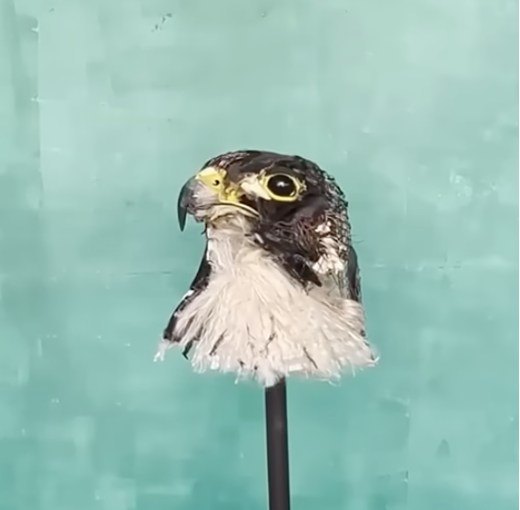
Front View (What you think it is…)
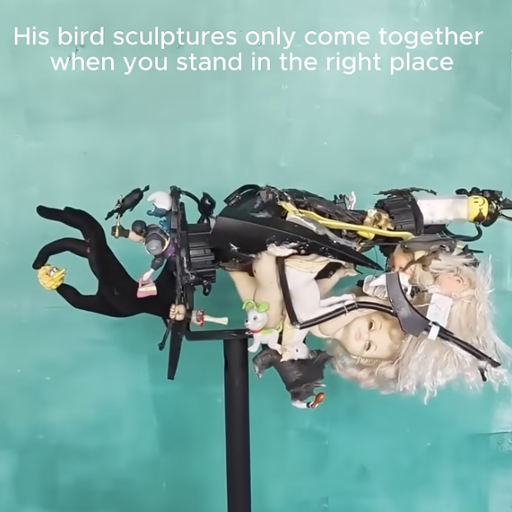
Side View (What it also is…)
Thomas Deininger is a Rhode Island artist who makes realist assemblages from non-recyclable landfill materials, responding to mass consumerism and asking viewers to see the transcendent in the mundane. His worldwide travels in his twenties and a visit to the Nantucket landfill inspired these "detritus mosaics," which explore waste, value, and meaning in a media-saturated world. (ecfa)
I just had the business equivalent of that moment.
For a long time, I noticed a recurring issue in public art: missing signage. (Actually, this was the whole impetus for my concept for Wonder Wander!) When I didn't find signage near public art, I assumed the signs were broken, stolen, or too expensive to install. Worse, I assumed it meant the hosting organization simply didn’t care enough to give credit to the artist. It looked like apathy.
But after digging into a "5 Whys" activity and doing research, my perspective shifted. Like looking at Deininger’s bird, I changed my perspective.
I expected to find a story about tight budgets or confusion over who pays to repair and replace them. While funding friction is definitely part of it, the real surprise caught me off guard.
Many of these signs aren't missing because of neglect. They are deliberately removed to meet strict regulatory requirements. Local zoning laws and ADA (Americans with Disabilities Act) compliance were the rub.
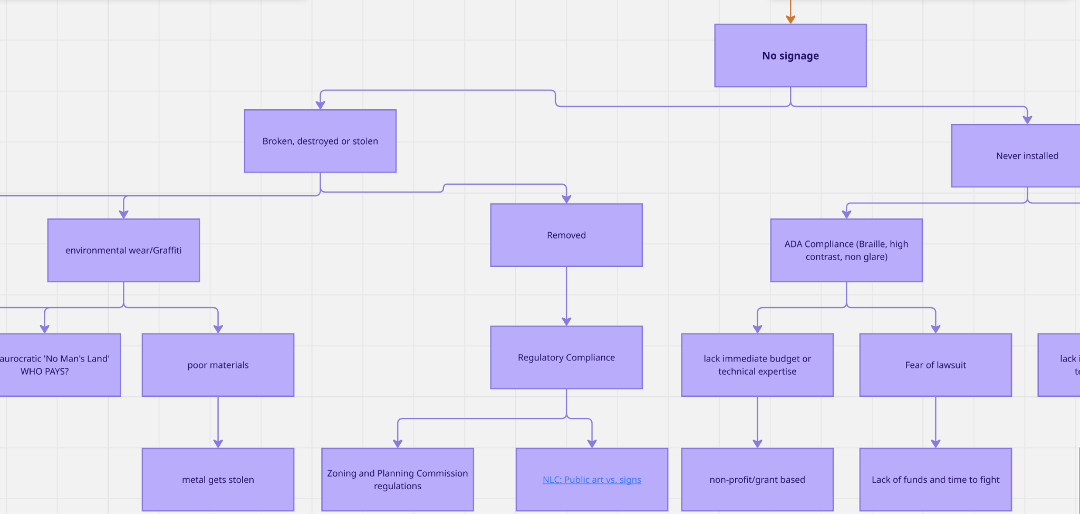
Detail of my 5 Whys
What I assumed was a lack of care was actually a clash of invisible frameworks. Some signs are too large or too tall and violate a city's visual zoning codes. A sign placed too low or protruding too far into a walkway can violate accessibility laws and create physical hazards. To avoid being sued, the city then removes them.
The signs were removed BY THE ORGANIZATIONS that initially installed them!
It is an intellectual shock to realize you’ve been misreading the problem entirely. Moving forward, I am applying this breakthrough to my work in three specific ways:
Auditing the Invisible: I will no longer look at a business bottleneck or missing asset and assume it's a failure of will or budget. I will, instead, hunt for the hidden regulatory, legal, or compliance frameworks that shape the situation.
Reframing "Broken" Systems: When consulting or problem-solving, I will use the "5 Whys" method to identify potential root problems rather than relying on assumptions, even when they are based on prior knowledge.
Being Open and Remembering: Your first thought doesn’t have to be your last thought!
Thinking about the joy of the unexpected. When an artwork tricks me or surprises me, it makes me laugh, nod, and remember to be humble. I’ll work to apply this to my business as well!
Unlearning is uncomfortable because it forces you to sit in a space of "not knowing" while your old assumptions fall apart (or at least shift). But that confusion is exactly where real insight lives. Before you assume a system is broken out of apathy, look closer…you might find it's being bent by a hidden wall of compliance.
Since ‘not knowing’/’not having all the answers' is the name of the game during the discovery phase, I’ll try to grin and bear it (with humility!).
To get the feeling of walking around one of Deininger’s sculptures, click here: Optical Illusion Sculpture Art by Thomas Deininger (Screenshot stills above taken from YouTube)

Shannon Steven is the founder of Wonder Wander, a creative services company that makes art accessible through a public art discovery app, weekly newsletter, art workshops, and community consulting. Follow along on Instagram and Facebook.