
Hold It Lightly: The evolution of a founder’s idea
by Ali Brueggemann | Founder, Vulvacious (final name TBD)
Coming into the Discovery Module of the Fellowship, my mentor offered a piece of guidance I wasn’t expecting: “hold it lightly.” In other words, don’t cling so tightly to your idea that you can’t let it evolve. I understood the logic — she had lived it — but I’ll admit I felt a little deflated.
After all, I was finally working on Vulvacious, an idea for a design-forward body literacy platform that I had been quietly nurturing for years. I’ve long been motivated by a personal desire to better understand the female body — and by the realization that culturally, we haven’t been set up to really know the female body. Research shows how pervasive this knowledge gap truly is — even students pursuing health-related degrees often lack understanding of the unique science of the female body.
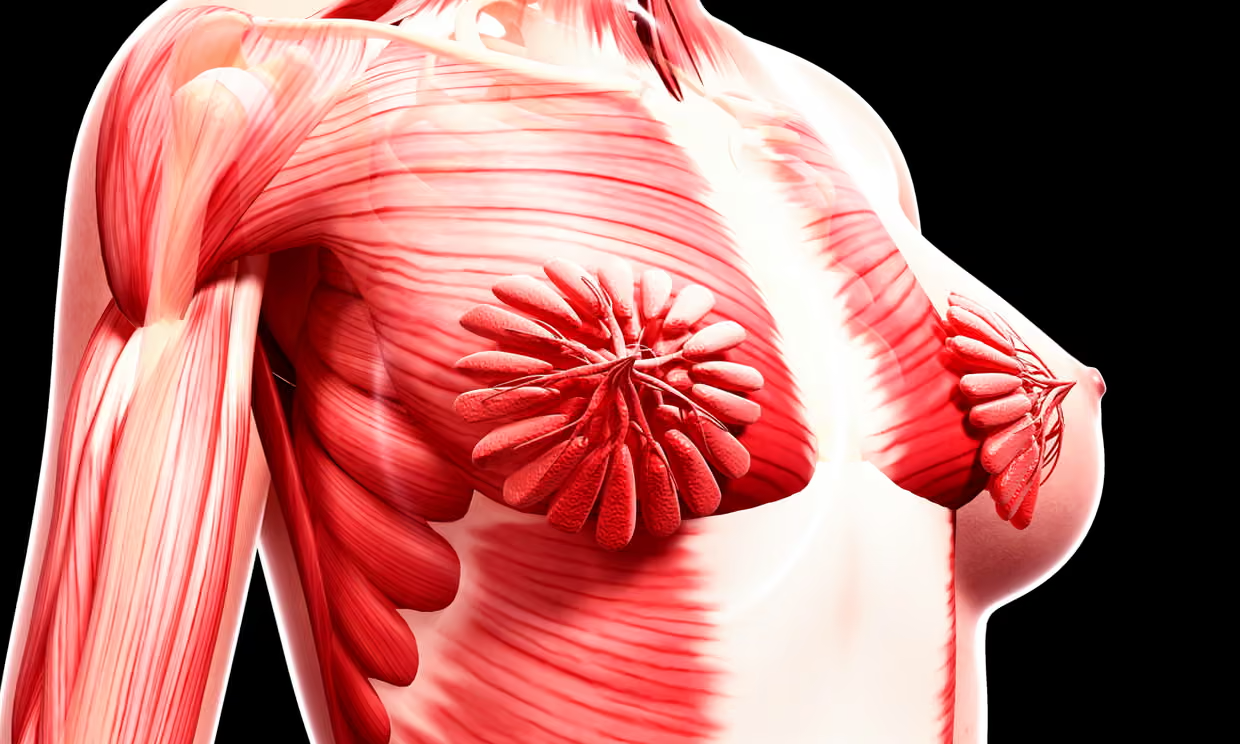
Photograph: Shubhangi Ganeshrao Kene/Getty Images/Science Photo Library RF
A moment that crystallized this occurred in 2019 as an anatomical image of the female muscular system went viral because, for many, it was new and unexpected information. The image was breathtaking and notable, namely for the beautiful, floral-like milk ducts it depicted. It reinforced what I already suspected — there is so much we were never taught.
Furthermore, as a designer, I’ve seen how scientific content often feels inaccessible and clinical. I wanted Vulvacious to change that — to make learning about the body modern, visual, and welcoming rather than awkward or intimidating.
What happened next surprised me. As I talked more about the platform, women responded — not just with enthusiasm, but with stories. Stories of dismissal by providers. Symptoms minimized. Diagnoses delayed. The emotional toll of not being believed. These experiences aren’t isolated — systemic gender bias and medical gaslighting are well documented. The consequences are significant and measurable:
A $15 billion annual medical financial gap for women
Up to 51.9 days of additional diagnostic delay for chronic conditions
Emotional trauma and increased anxiety leading to avoidance of care
Digging deeper made the issue impossible to ignore: the healthcare system was not designed for the female body. And that bias shows up in outcomes, access, and trust.
My survey results pushed this home. Yes, body literacy matters. But overwhelmingly, people needed a more robust solution:
First, Education that builds Deep Body Mastery
And secondly, Tools and Language for Tactical Advocacy in the exam room
And while design certainly influences accessibility and engagement, the primary driver for customers is clear: credibility. In a landscape where symptom interpretation is biased, who you trust becomes a survival skill.
It took a moment to accept that the solution needed to grow beyond my initial vision. I had been focused on delivering knowledge beautifully. But the need is bigger than that — and frankly, more urgent.
Sitting with that discomfort shifted my role. I’m not just the founder excited to finally build her long-held idea. I’m the founder responsible for stewarding a needed solution — one rooted in empowerment, accuracy, and affirmation.
And that, if I’m honest, is where my passion for Vulvacious has always lived.
About the Author

Ali Brueggemann is the founder of Vulvacious (final name TBD). Ali aims to equip women and gender-expansive people with the knowledge, tools, and confidence to reclaim their bodies, demand better care, and take charge of their well-being. Connect with Ali on LinkedIn for more reflections on social entrepreneurship and female health education.
