
Do I Have What It Takes? A Founder’s Lesson at Farm Aid 40
by Caroline Hegstrom, Founder Taiga Farm & Seed
Planting the Seed
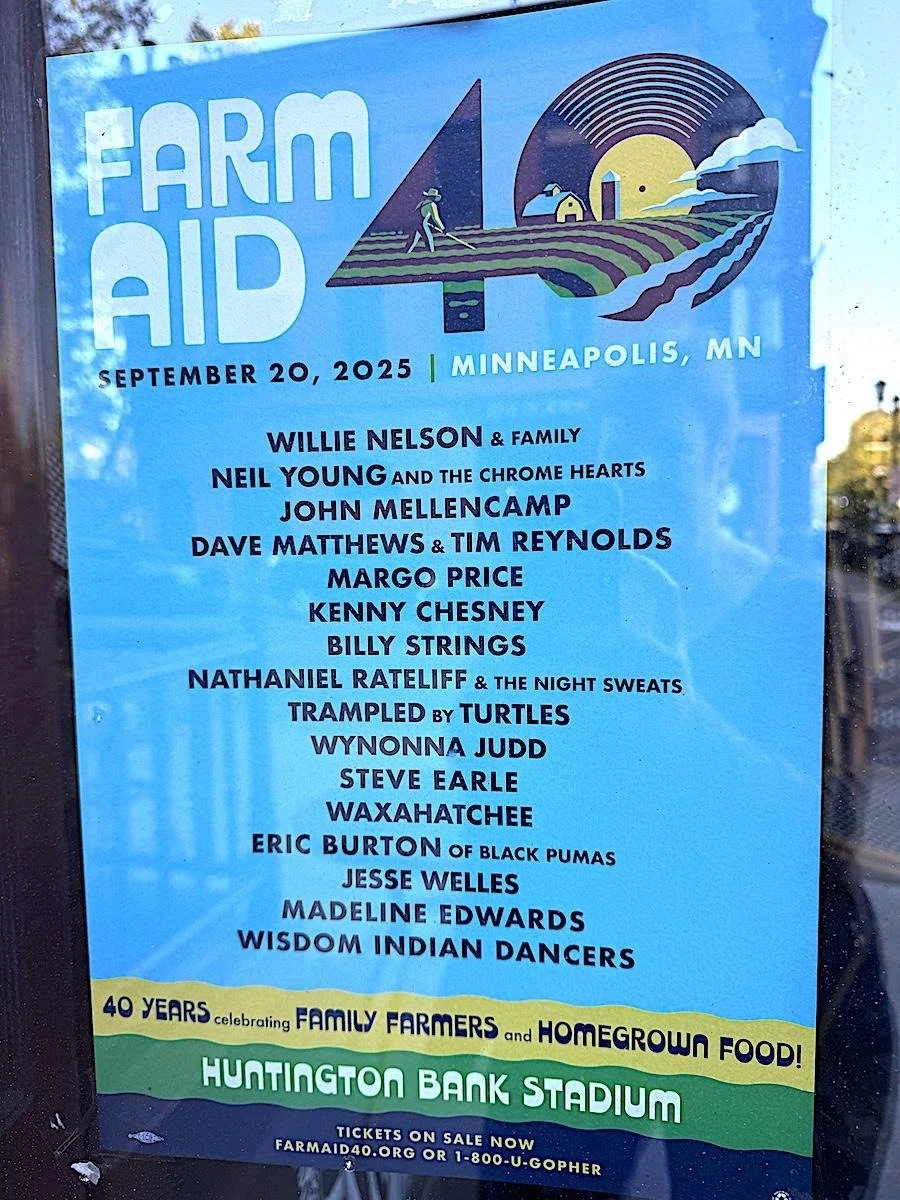
Farm Aid 40 Poster (Photo: Caroline Hegstrom)
In September, I attended FarmAid 40. Earlier this summer, I had filled out a FarmAid questionnaire about my farm, and at the end it asked if I would be interested in sharing my story on the radio. I checked “yes,” then promptly forgot about it in the busyness of harvest season and family life.
Weeks later, an email arrived: Would I be open to the possibility of being interviewed? The chance to bring a national voice to Taiga Farm & Seed felt electrifying. Even if the invitation went out to many farmers, I told myself, *this is my moment*.
The Farmer on a Mission
I bought my ticket a few days before the festival. Timing was on my side — I was already headed south for a Finnovation Discovery class that morning. I packed seed packet samples and a few well-worn business cards.
I don’t usually go to concerts, and stadium crowds aren’t my natural habitat. But I held fast to my goal: to share Taiga Farm & Seed’s vision of a vibrant northern American tradition of gardeners, urban farmers, and homesteaders growing food with confidence.
I even shared this goal with a few Finn Fellows. Accountability, I reminded myself, fuels action.
Waiting for the Call
Once inside the stadium, I found my seat, wandered the grounds, and eventually landed in the Homegrown Village education tents. A friend connected me to Farm Aid staff who reviewed my invitation and started making calls. The anticipation was like planting a seed and waiting for the first green sprout: *this might really happen.*
But word came back: “They don’t know if there will be a spot.” Not a no, but not a yes. So I waited.
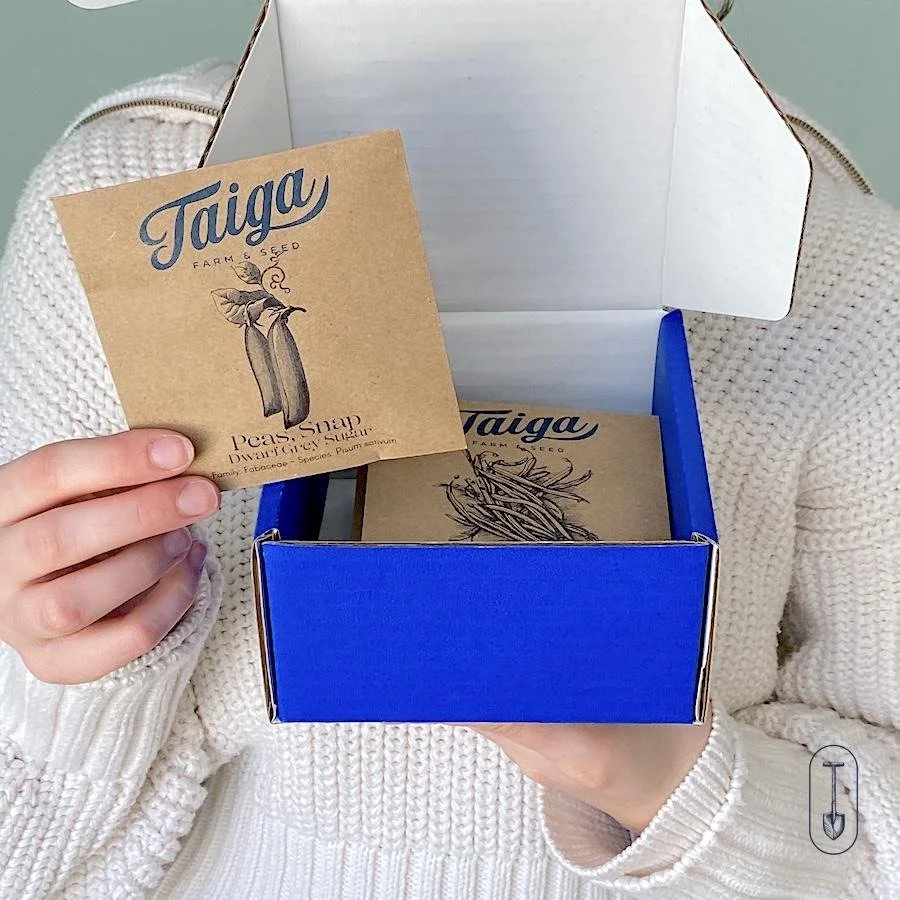
Taiga Farm & Seed Box (Photo: Caroline Hegstrom)
As the Homegrown Village shut down and the hay bales were hauled away, I felt the loneliness of being a solo founder sink in. The stadium filled with energy, beer, and noise. Should I stay until closing at 10 p.m.? Shouldn’t a founder push through? Or was it wiser to head home while there was still light — before the deer started moving on the rural roads?
At almost 7 p.m., with a three-hour drive ahead and farm chores waiting in the morning, I left.
The Text That Broke My Heart
Thirty minutes north, my phone buzzed.
“We would love to interview you. Can you come now?”
I begged them to let me turn around. I even offered to buy another ticket. But security wouldn’t allow re-entry.
The sadness hit hard. I cried most of the drive home, replaying every moment. *Do I really have what it takes to be a founder? Did leaving mean I failed my company, my mission, my vision?*
Rethinking What It Means to Be a Founder
That question, “Do I have what it takes?”, echoed all weekend while I worked the fields. In American entrepreneurship, the founder is often framed as a lone hero. But in reality, success is not defined by one missed opportunity.
When I shared this story with my Finnovation Fellowship peers, we processed it together with guidance from our roundtable lead, Stephanie Malon-Rufi. We came to the same conclusion: personal safety and family are not weaknesses — they’re the right priorities. For me, it’s the balance of: Faith, Family, Farm, and Founder.
Without the first three, the fourth can’t exist.
Lessons from the Field
Faith reminded me of Jeremiah’s promise: “For I know the plans I have for you … plans to give you hope and a future.”
Farm Aid wasn’t the end of the story. In the weeks that followed, I gained insight from mentors like Elaine Rasmussen of ConnectUp! and Natalia Mercado of the Neighborhood Development Center.
Elaine challenged us: “Ask for the sale.” And when I did boldly it worked. Lakewinds Food Co-op agreed to carry Taiga Farm & Seed in all three stores this fall.
I dusted myself off, looked outward and upward, and kept moving forward.
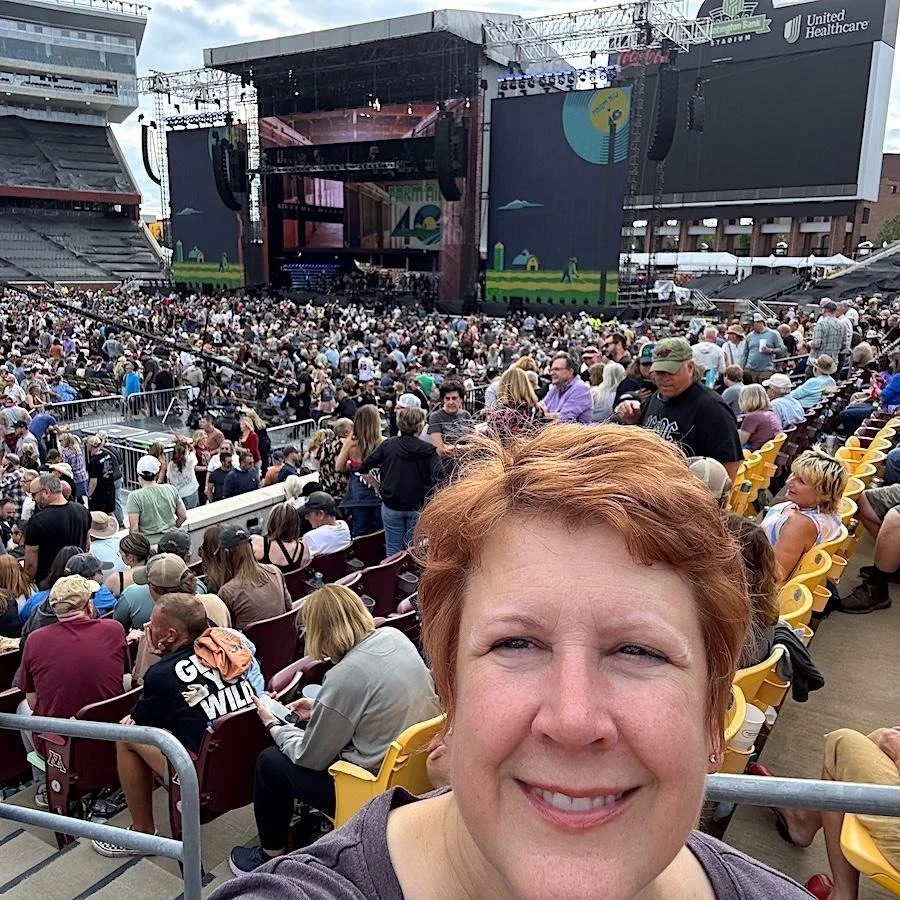
At Farm Aid 40 (Photo: Caroline Hegstrom)
Founder, Earned
The sting of that missed interview lingers. I see the FarmAid 40 poster hanging in the local café every week on my way to class. But instead of a reminder of failure, it’s become a symbol of resilience.
Because being a founder isn’t about never missing a chance. It’s about holding fast to your priorities, finding the lesson in the loss, and asking again tomorrow.
I own Founder. I earned it.
About the Author
Caroline Hegstrom
Caroline Hegstrom is the founder of Taiga Farm & Seed and owner of The Boreal Farm, two sister farms rooted in USDA Zones 3–4 and dedicated to helping northern gardeners build resilience and self-sufficiency at home and in their neighborhoods. Her work centers on curated cold-climate seed collections, hands-on gardening workshops, and resources that empower people to grow food in short seasons and challenging northern conditions.
Caroline is a FINNOVATION Fellow, a mentor with the USDA’s Transition to Organic Partnership Program, chair of the Sustainable Farming Association’s Fruit & Vegetable Networking Group, and an advocate for strengthening northern food systems. She regularly speaks on cold-climate growing, organic farming, and founder resilience. Connect with Caroline on LinkedIn for more reflections on growing in the North, social entrepreneurship, and the journey of building Taiga.
